Feb 2, 2014 | Sedona Yoga
Many people come to yoga via the physical discipline of hatha yoga. It is a great place to start, but at some point, we start to ask ourselves important questions about our life, and want to find ways to improve it. I think that this can be where an intentional spiritual practice can start to germinate, and we can remold what is a very fixed set of prejudices and loyalties that are within us all. It does not have to be that difficult if we bring the teachings consciously into something we do every day, like shop for food,  cook and eat!

The “Yoga Sutras of Patanjali” is an ancient text that many yogis become familiar with. Making the teachings come alive in our daily lives on practical basis however, can be a little challenging. Patanjali “seasons” throughout the yoga sutras that success comes with “Constant practice and continued dispassion”, which indicates that we need to live our practice, and not just practice it a few times a week.
We are immortal, and as such, can never die. What then would you do for the rest of eternity if you became enlightened? We are here to enjoy ourselves and not become an evangelical yogi, trying to convert the whole family to become vegan and think the same way we do. To try to understand, and more importantly, embody the teachings takes time, as we have all the time in the world mystically, why not have fun with 12 vital sutras that can change your concept of what you thought the yoga sutras could be about. Avidya is, of course, the basic reason we are all here. We have forgotten our true nature or we would not be here. Most people cannot remember what foods that they have eaten at the end of the day. So how can we remember how we can bring the teachings alive in our life, chew them over and digest what is meaningful?It is from this viewpoint that Camella Nair will be talking about the yoga sutras in her scheduled workshop on Saturday at 9am at Stargate Productions.Camella will be introducing “Cooking the Yoga Sutras” at the Sedona Yoga Festival In February and at the Bermuda Yoga Festival in April 2014. For more information about Camella, visit her site at:
www.camellanair.com
Jan 23, 2014 | Sedona Yoga, SYF2014 Presenters, Yoga Conference, Yoga Philosophy
Yoga for Lawyers
 The practice of law is a challenging profession. Years of intense study of the law, competition and high stakes negotiations combined with long working hours, high burnout, adversarial colleagues, pressures to bill more hours and to exceed expectations. It takes book-smarts and street-smarts to really succeed; it’s no wonder that most lawyers are Type A perfectionists and life-long overacheivers. The job demands mental strength, physical health and emotional balance. Many lawyers develop physical health issues as a result of long hours seated at a computer, not getting enough exercise and overeating or over-drinking in response to stressful conditions at work or socially with colleagues and clients.
How Can Yoga for Lawyers Help?
Yoga for Lawyers is based on the four paths of yoga and the traditional eight-limb yoga ashtanga system, or as the Yogattorneys MCLE material calls it “the four paths, eight limbs and ten fingers” of yoga. The ten fingers refer to the five yamas and five niyamas that make up the the first and second limbs. These paths, limbs and fingers are a combination of ethical guidelines, physical poses and mental focusing exercises that all work together to build stronger, healthier attorneys who respond to conflicts and challenges in a more relaxed and resilient manner.
In many ways, the practices of yoga are complimentary to the ethical guidelines that govern attorney behavior. For example, the practice of Karma Yoga, or yoga through service or action, is in harmony with ER6.1 which is worded strongly to remind attorneys of their duty to be of service through providing pro bono service to worthy causes.
About Yogattorneys
Yogattorneys MCLE classes we under the guidance of the State Bar of Arizona and the Arizona Bar Association will be holding a Yogattorneys workshop in Tucson, Arizona on May 15th. Classes are a mixture of a lecture on law and yoga, including the similarity of the professional ethics rules and the traditional eight-limbs, yoga instruction and self-study. MCLE credit may be available for attorneys in other states, as well. Information is available on the Yogattorneys website.
Lawyers are busy people with busy schedules and billable hour requirements. But the physical and mental benefits of yoga, alone, make practicing it worth your time.
Benefits of Practice, Extra Incentives for Lawyers
The benefits of yoga practice are well documented and include physical health, strength, flexibility and balance. Repeated practice generally leads to the development of these qualities in an intangible way, as well. Developing a strong mind, being able to adapt and feeling mentally balanced are all virtues that can be expected from a yoga practice and that are particularly beneficial for attorneys.
Yogattorneys was set up in part to give lawyers even more incentives to try yoga than just the mental and physical ones. Like, offering continuing education credit and tips on how yoga can make the challenges in law more fun.
There may be financial incentives for lawyers to try yoga, now, as well. Lawyers should talk to their tax advisors about the amount of are business travel and education costs they can may be able to “write off” for qualified Yogattorneys classes and MCLE retreats.
Register for the YOGATTORNEYS MCLE Package at SYF2014
About Trisha Lotzer, JD
 Trisha started practicing yoga in law school as a way to stay fit and deal with stress. She practiced on and off for years until she was diagnosed with PTSD in the wake of 9/11. Now she credits that period of crisis and the healing process that followed for a major breakthrough in her law and yoga practices. She began to travel the world studying different forms of yoga and mediation practices. She founded Yogattorneys in 2008 after completing her 200 hour yoga teaching training with Ganga White and Tracey Rich. In 2008 she started the Lotzer Law Group, PC which allows her the flexibility she needs to travel and continue her yoga studies while work with clients around the world. You can read more about Trisha on her website TrishaLotzer.com
This year at #SYF2014, Trisha will be presenting Open For Blissness, a two-part yoga workshop for business owners, yogattorneys and any one else who is interested in finding and combining bliss and business.
Jan 18, 2014 | Sedona Yoga, SYF2014 Presenters

Wow! Here is a wonderful blast from the past… Silvia Mordini, describes her experience at the inaugural Sedona Yoga Festival last year… Check out her #SYF2014 offerings at https://syf2014.sched.org/speaker/silvia2#.UtrWc3kQGb8
February 8, 2013. Feels a little bit like the first day at a brand new school. Starting today, I am presenting at the Sedona Yoga Festival to a whole new group of yogis. It is my first time teaching in Arizona (although I’ve taken many a workshop/training here in my Anusara days).
As always before teaching, my thoughts turn to how will I best touch the hearts and minds of my students. What will they think? Will they understand me? Regardless of your experience, Yoga Teachers still get nervous. I may have over 11,000 hours of teaching experience but today will be my first hour in the teacher’s seat at this first ever Festival!
One of my biggest strengths is my humanness. After leading 15 RYT200 Teacher Trainings, I work hard to keep myself off the pedestal and keep things real. I am imperfect, fallible, sometimes quirky, certainly silly, and a bit earnest when it comes to manifesting happiness. Being born in Ecuador to an Italian father and Ecuadorian mother only adds to my uniqueness.
If you know anyone in Sedona coming to the festival, applaud them! They—like me—are First Penguins. The first penguin is a term coined by the late Carnegie Mellon Professor Randy Pausch who offered his last lecture there when he was dying of cancer. Here is one of his key pieces of advice: Be the first penguin. “I encouraged students to attempt hard things and not to worry about failing…failure is not just acceptable, it’s often essential.”
Pausch rewarded his students who took the biggest risk with a stuffed penguin representing how when a group of penguins takes to the water, one of them has to take the FIRST plunge. If that penguin survives in the potentially predator filled, dangerous water, then the other penguins follow.
I am grateful to everyone involved with Sedona Yoga Festival. It is heroic to manifest—from nothing—an entire yoga festival, replete with teachers, searchers and healers from all over the world. To every single attendee, presenter, volunteer, and staff, I present you the First Penguin Award! Thank You Silvia!!!
You are magnificent and your courage to jump into the water not knowing what will happen is inspiring. And that is why I am proud to be involved—even if I am also a bit nervous.
To those who are considering doing something that really scares you this year, be encouraged. Manifest your biggest dream! The world needs more First Penguins in yoga, in art, in science, in relationships, in life. Love yourself, love your day, love your life! Silvia

ABOUT SILVIA MORDINI, Happiness Coach, Yogipreneur, lululemon ambassador, manduka ambassador
Enthusiasm to love your life is contagious around Silvia. Her expert passion connects people to their own joyful potential. Silvia lives her happiness in such a big way that you can’t help but leave her classes, workshops, trainings and retreats spiritually uplifted! Born in Ecuador, raised traveling around the globe she is an enthusiastic citizen of the world and spiritual adventurer. She is a long-time Experienced Yoga Teacher (E-RYT) with over 10,000 hours of teaching experience, owned a yoga studio for 9 years and has been teaching and practicing yoga over the last 15 years after being run over by a car and using it to recover physically and emotionally. Silvia will be leading a Tuscan Adventure in Happiness week long retreat in June 2013 and an Amalfi Coast Wellness Adventure in July 2013 as well as offering her Alchemy of Yoga RYT200 Yoga Teacher Training in Costa Rica this August 2013. Silvia is currently writing a book about Prescriptions for Happiness and has a popular blog called Loving Your Life, along with producing her “Loving Your Day” videos.
Connect with Silvia Mordini:
Web: www.alchemytours.com or www.silviamordini.com
Email at silvia@alchemytours.com
Twitter @alchemytours @inspiredyogagal
Facebook Silvia Mordini (https://www.facebook.com/profile.php?id=1164596386)
Jan 16, 2014 | Sedona Yoga, SYF2014 Presenters, Trauma Sensitive Yoga, Yoga for Vets, Yoga Pre-Conference
My name is Chris Eder…and I’ve spent the past 23 years on active duty service to THE United States of America as a Combat Correspondent in the Air Force. Since 9/11, I have found myself in some interesting places. Sometimes by myself, sometimes with people I had never met, and sometimes with people who I love(d) as a brother or a sister.
I don’t sleep. For many years, I just told people I was a “morning” person. That was maybe less than half true…as I really do enjoy being up before anyone else. Hot showers, fresh coffee, etc. But the truth was…I couldn’t sleep. I used to spend as many hours as possible working. People thought it was because I was a hard worker. OK…they were right! However, as I have learned over the years…working hard is also an unhealthy coping mechanism. Avoidance! It is hard to tell something is wrong when you continue to out-perform everyone!

In 2003, I found myself traveling throughout Iraq by any means possible. I was equipped with a 9mm, no ammunition, a flak vest I think my dad wore in Vietnam, and my camera gear. For a short period of time, I called the Al Rasheed Hotel home. That is until Oct 26, 2003 when insurgents attacked it with 68mm and 88mm rockets. Under Secretary of Defense Paul Wolfowitz was in the hotel that night. Check the story out, Sec Wolfowitz is wearing my flak vest! Things got worse after my second deployment to Baghdad during the “Surge of Operations.” Damn…the insurgents had our location dialed in! 20+ attacks a day seemed “normal” for so long.
So…why yoga? Hell…why not? What is the worst thing that can happen? I started yoga back in 1999 because of a pinched sciatic nerve and a diagnosis of Adult Attention Deficit Disorder. I instantly was hooked! During my 2007 deployment to Iraq, I was actually teaching 5-6 classes a week. Anyone…and I mean anyone… can do yoga. I introduce to you Lieutenant Colonel Tom Bryant.
Lieutenant Colonel Bryant, US Army is my friend/mentor and hands down the best person to ever come from Alabama. LTC Bryant is the last person I thought would try yoga. He is a typical Southern conservative, “Roll Tide!”-preaching, family loving, church going, hunting/fishing military kind of guy. He would often poke fun of me when we worked together about how I taught and practiced yoga. Tom recently sent me a Facebook message:

“Are you sitting down? You should.”
Last night I did yoga. And since I’m deployed, you know I wasn’t drunk or high. It lasted 20 minutes, was called relaxation yoga or something like that. Really just seemed like a lot of stretching to me, but this Japanese guy with a ponytail on the video kept talking about “seeing your breathing” and “step mindfully downward on your heels” and a bunch of other platitudinal crap I didn’t understand. But the stretching stuff was cool.”
Even this staunch yoga antagonist found yoga to be at the very least, “cool!” There is a good chance what you think Yoga is…is not at all what it really is. Yoga can be whatever you want it to be…killer workout, awesome stretch, or a time to reset and restore your batteries. For me, I *try* to start every day with 15-30 minutes of meditation and yoga. I also end each day with some grounding breath work to help clear and prepare my mind for sleep. Trust me…I know it sounds fruity, crazy, or even esoteric…but IT WORKS!
I’ve been practicing yoga since 1999 and teaching since 2007. I often wonder where I would be today without yoga. I see my brothers and sisters-in-arms who share *our* nightmares, panic attacks, alertness, relationship issues, memory problems…the list can go on forever. I know just how tough my life is…and wonder how much tougher and often debilitating it would be without yoga in my life.
YOGA helps by reducing your anxiety levels. For many of us Vets…that should be enough! Specifically, the tools and techniques leveraged in the Mindful Yoga Therapy for Veterans with PTSD, (MYT) it soothes the inner tiger. MYT is an embodyoga®-based, empirically informed, clinically tested program comprised of five practices: Pranayama (breathing), Asana (postures connected with breath), Yoga Nidra, Meditation, and Gratitude. Each practice is a tool Veterans can use to cope with Post Traumatic Stress, and together, they form a comprehensive system–a toolbox–that will carry Veterans into a life of strength and resilience. These yoga practices don’t cure PTSD…rather, they create a place where healing can begin.
Think YOU can’t do yoga? Think again! You probably can’t run a marathon either…but if you wanted to, you would start of slow. You should do the same thing with yoga.
For me, MYT has been a game changer. There are many different styles of yoga available. I like all of them too! Each style of yoga is based on a set of accepted and foundational precepts of Hatha yoga. However, not all yoga is beneficial to Veterans struggling with trauma. The five practices that comprise the MYT tool-kit specifically target your parasympathetic nervous system (PNS). Many Veterans suffering from PTSD have an over stimulated sympathetic nervous system (SNS). This is the flight or fight system…very important to have engaged during war…but not very helpful to be engaged when you return…or…constantly engaged for days, weeks, months. These MYT practices will help greatly (have worked greatly for me) at reducing an over-stimulated SNS.
My favorite tools are the breathing tools. They have the greatest impact on ‘chillining’ me out. How can something so simple do so much? How can something we take for granted (usually until our last breath) be so effective in our recovery? Just for fun…I’d like for you to stop breathing for 20 minutes. What…you can’t? You think you might die. I agree! So…public math here…if I can increase both the quality and quantity of your breath…would that not increase the quality and quantity of your life? Check out this free sample from Suzanne Manafort.
BIO:

Chris Eder is a certified Vinyasa/Hatha Interdisciplinary Yoga Instructor, journalist, and Director of Communications for MYT. His yoga journey began in 1999 after he encountered the joys of a pinched sciatic nerve and a diagnosis of Adult ADD. A friend introduced him to yoga as an alternative to pain pills and other meds. When not teaching yoga, he is working on his seva project, MalaforVets.
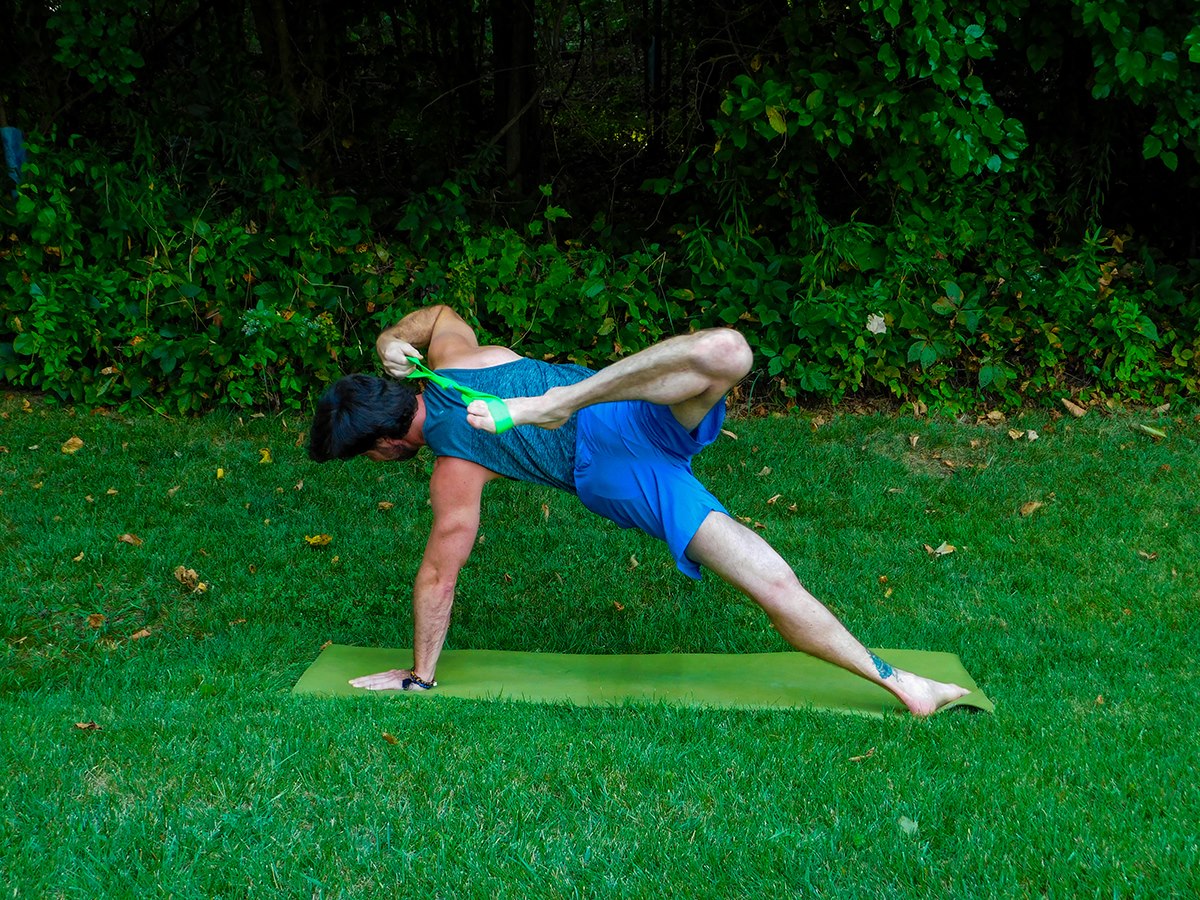
Some Recent Photos from Chris’s Practice…
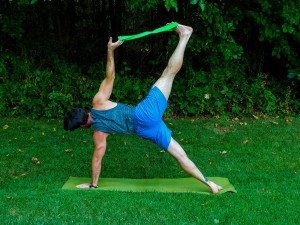
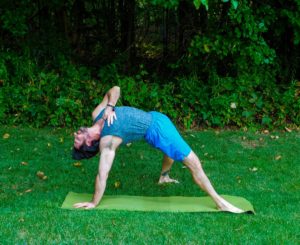

Jan 14, 2014 | Sedona Yoga, Sedona Yoga Retreat, Yoga Conference, Yoga Festival Experience
 Building on the tremendous success of their inaugural festival last year, organizers of the highly anticipated Sedona Yoga Festival are gearing up for another truly transformative event early next month. Thursday–Sunday, February 6–10, yogis and other conscious community members will flock to the quiet boulevards and soaring red rock canyons of Sedona for three days of yoga, music and energy work in the undisputed spiritual center of the American West.
For attendees, it’s an unprecedented opportunity for powerful personal growth—in a destination unlike any other. Unlike larger corporate-sponsorship yoga conferences, held in large central facilities with cavernous rooms and hundreds of attendees per class, the Sedona Yoga Festival schedule was developed specifically with the city’s quaint, homey atmosphere in mind. 200+ classes, workshops and events are sprinkled over 21 intimate local venues, with convenient shuttle service available and a variety of lodging options close at hand.

Presenter Cat Arena at Amara Resort
The flexible conference structure gives yogis the chance to weave their own experience in the richly colored cultural and natural tapestry of Sedona. Workshops and music are everywhere—spas, yoga studios, ballrooms, banquet halls, movie theaters, chapels and beyond. At the hub of this creative collective is Heart Center Village, a lively central gathering and registration area where participants can share the festival experience with yoga, healthy food and drink, conscious vendors, live music, listening lounges and a host of free, open-to-public activities.
The event’s esteemed faculty is widely varied and deeply experienced—and, befitting the destination, utterly down to Earth. Presenters were chosen not purely for their marquis-friendly names, but for the richly layered credentials, commitment to consciousness and unfailing authenticity that resonate in Sedona’s spiritually charged environment. Among them are acclaimed author/teacher Mark Whitwell, Yoga Journal Co-Founder Rama Vernon, Kundalini masters Ana Brett and Ravi Singh, best-selling spiritual author Sunny Dawn Johnston and more than 100 yogis, healers, artists, authors, musicians, shamans, scientists, philosophers and performers.
 Together, the festival’s 108 presenters will facilitate more than 200 classes, workshops and events, from Yoga Nidra to Ecstatic Dance and just about everything in between. Conference attendees are also encouraged to set aside time for the exploration and contemplation of their surroundings, which include some of the most breathtaking high desert landscapes in the world. With more than four million annual visitors, Sedona is a virtual mecca for hikers, bikers, artists and spiritual seekers. Rich in energy “vortexes,” the area has long been known for its inspiring, regenerative powers—making it the ideal place to take one’s practice to the next level.
“Sedona is such an inspirational place, and so closely aligned with the principles of any yogic, spiritual or consciousness practice. It seemed incredible that there wasn’t already a festival here—or indeed a cohesive yoga offering we could share with the world.” said Marc Titus, SYF Founder and Director. “We are so honored to be helping to fill that gap as we bring the yoga community hOMe to Sedona.” In keeping with the spirit of seva, SYF is donating a portion of conference proceeds to the Give Back Yoga Foundation, a non-profit organization dedicated to supporting yoga teachers in the offering of service to their communities.
SYF2014 kicks off at 6:30 p.m. on Thursday, February 6. click here for complete conference schedules or click here to purchase tickets.

Jan 10, 2014 | Sedona Yoga, SYF2014 Presenters, Yoga Festival Experience

Silvia Mordini sharing Happiness at SYF2014
The first yoga conference I’ve ever attended was the Midwest Yoga Conference organized by Jonny Kest about 10 years ago. Silvia Mordini
In all honesty, I was very nervous. I over thought what I’d wear, the brand of snacks or drinks I’d bring, even my time of arrival. I didn’t want to be too early and appear too eager even though to me this compared to a kid awaiting Christmas morning.
My expectation was that of personal and pose judgment from my fellow yogis combined with a deep concern for not being good enough to practice with the die-hards. And what’s worse, I was afraid to talk about it, as going to a yoga conference meant I was admitting to my yoga addiction.
What I found instead was no one paid any special or particular attention to me. It was easy to get lost in the crowd and simply practice my yoga. The sheer opportunity to learn from so many teachers all gathered in one place further propelled my enthusiasm for the practice.
Below are five reasons why you should go to a yoga festival:
Solo adventure:
It’s a chance to travel somewhere by yourself, facing uncertainty and growth all at once. It not only gets you out of your comfort zone but also your normal yoga clique.
Community:
It is a smart way to network with a lot of passionate yogis all in one place. So whether you are trying to grow awareness, establish your personal brand, or sell a yoga product; there’s no place more conducive to doing so. The joy of connecting face-to-face instead of via social media sites like Facebook or Twitter heightens the power for future collaboration.
Trends:
A yoga festival is a direct opportunity to see what is currently trending and popular in terms of clothing, style, music, sequencing, and much more.
Inspiration:
Learning new perspectives from a variety of geographically diverse teachers boosts our collective creative energies. You can’t help but feel the life-enhancing power of being a part of the creative process.
 Vacation:
A yoga festival or conference is not only partly a retreat but also a kind of yoga vacation. The locations offered this year alone are in beautiful parts of the world such as Bali, Whistler, Sedona, Arizona, Lake Tahoe, and Colorado. What better way to spend your time away from work than doing something you love and investing in your own personal growth and development?
By attending a festival you realize how yoga expands us spirituality by narrowing and focusing our world lens on the most meaningful human essentials: cooperation, kindness, love, and learning.
These shared qualities only get strengthened when we are with a cohort of other highly conscious individuals. The benefits of how elevated your spirit feels in the post yoga festival high last far beyond your last workshop. The knowledge and experience you gain will last a lifetime.
What festivals are on your agenda? What are you most excited for?
Read the article originally posted on YOGANONYMOUS by clicking here:
Below are the 5 Reasons why you should go to a Yoga Festival, By Silvia Mordini
SILVIA CAN BE REACHED:
Web: www.alchemytours.com or www.silviamordini.com
Email at silvia@alchemytours.com
Twitter @alchemytours @inspiredyogagal
Facebook Silvia Mordini (https://www.facebook.com/profile.php?id=1164596386)
Instagram inspiredyogagal